


Introduction
The healthcare industry is experiencing a new phase of complications regarding costs. Whilst operational costs are increasing at a significant rate, operational revenue grows only marginally. Focusing primarily on the expansion and growth of healthcare businesses, in conjunction with money wasted on inefficient systems and operations has led to a significant issue of cost in the industry. Whilst traditional methods of overcoming revenue challenges may stabilize expenses for your business, these typically go against value-based care and can be damaging to the experience of patients. Additionally, even if healthcare businesses raise prices, Medicare only allows 1-2% increases in reimbursement per year. Essentially, this means that increasing patient fees are a band-aid solution to the financial issues impacting the healthcare industry. In order to actually be profitable and maintain positive relationships with patients, you need to identify the deep-rooted issues within your business and work to fix these. To help you build the perfect healthcare startup guide, we are going to explore some of the most common causes of high costs and the ways you can overcome these, with additional information regarding the benefits of certain healthcare technology trends.
Costs associated with the healthcare industry
Within the healthcare industry, there are a number of areas that are contributing to increasing costs and wasted revenue, including the following:
High labor costs
High labor costs are one of the most significant causes of disproportionate expenses growth. The healthcare industry continues to grow, providing more and more jobs to different healthcare practitioners. Whilst this isn’t a problem in and of itself, things get more complicated when you take into consideration salaries. It is (understandably) expected that annual salary should increase each year, but when this increase is larger than the increase in revenue, businesses start spending more on labor than they are making. To ensure these increases don’t become unsustainable, healthcare businesses need to think about how to improve productivity without using overtime or hiring more staff.
Costs towards new technologies
The development of sophisticated healthcare technology has allowed businesses to streamline a wide variety of both administrative and clinical processes. Whilst this is an exciting change to the industry, it needs to be done in the right way. A combination of different systems within the same business can lead to poor integration, which increases costs whilst reducing productivity. Before any healthcare business invests in technology, they should ensure it is compatible with the systems already in place, and can genuinely improve the efficiency, organization, and productivity within the workplace.
Cost burden of risks and reimbursement
The majority of payers use a fee-for-service model for reimbursement, which has created certain risks for healthcare businesses. Additionally, Medicare reimbursements are almost always less than actual costs, so it is hard for practices to break even.
Expenses related to poor patient workflow
Lastly, poor patient workflow can lead to significant amounts of wasted revenue. Inefficient scheduling or organization of resources can result in overuse of clinic rooms, lengthened in-patient stay, and delays in treatment. In order to improve patient workflow, whilst maintaining regulatory compliance guidelines, healthcare businesses need to have optimized schedules that allocate resources and manage capacity more efficiently
.png)
Strategies to counter these revenue challenges in your healthcare business
Although the increases in expenses may seem daunting, there are many ways that your business can combat these. We have compiled a list of some of the most effective strategies to decrease costs without compromising health outcomes for patients.
Automation is key
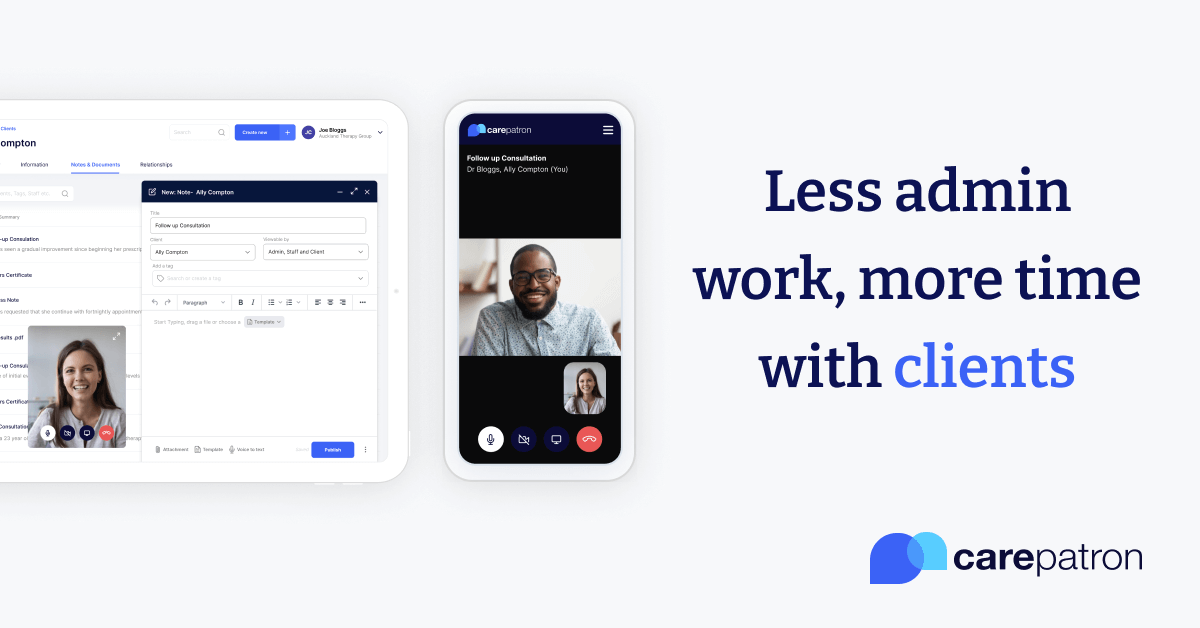
Implementing the right type of technology into your healthcare business is key to reducing costs. Practice management systems (that integrate well within your business!) will help you streamline various tasks and reduce the load off administration. Additionally, automation will improve your billing, scheduling, and communication, facilitating better relationships with patients whilst simultaneously saving you money and time. As a side note, if you are implementing new technology you need to research the relevant compliance issues and data security solutions to ensure your patient information is protected.
Improve your patient billing and price transparency
There has been an increase in patient financial responsibility within the healthcare industry, and whilst this can facilitate better communication, it is essential that your practice’s billing process is transparent. You should be collecting financial and insurance information from your patients prior to each appointment and informing them of expected costs and how the billing process works. Using an automated billing system (which is typically integrated into practice management software) will allow you to collect revenue much faster and increase the transparency of the payment process.
Set your goals and monitor Key Performance Indicators (KPIs)
Progress is reliant on planning, and research continuously shows that setting achievable goals is the best way to reach success. Creating and monitoring KPIs will keep you informed about what aspects of your business are working well, and which areas may require improvement. Additionally, the only way to effectively reduce costs is to know where you’re spending money. Monitoring KPIs will allow you to identify your costs and your revenue, leading to more informed financial decisions.
Effective labor management
Managing all of the clinical and administrative staff at a healthcare business can be complicated, but it is essential if you want to reduce your costs. All of your staff should be well trained and familiar with the systems in place. If they are capable of working in more than one department, this can help greatly on those busy days when you are understaffed. It is also important to have a good understanding of the capacities of your practice so as not to overbook appointment rooms whilst still seeing as many patients as possible.
Manage patient access through a centralized software
Using centralized software to manage patient access can help reduce the workload for administration staff. Inputting all relevant patient information into a centralized software will ensure that staff can access data and keep their patients informed. Reducing the time that administration staff spends searching for manual information will save your business both time and money, whilst keeping patients happy.
Focus on a patient-centered approach
Using a patient-centered framework will not only improve loyalty and the overall patient experience, but it is a highly effective base for marketing strategies. Patients are wanting increased responsibility and transparency when it comes to healthcare, and their decisions will also be largely based on prices. Your billing, scheduling, and data-accessing systems should be easy to use and convenient for patients - for the best results, you should be using automation.
Improve your patient payment collection methods
Manual and outdated payment collection methods are one of the biggest causes of wasted revenue. Updating to innovative, online systems will allow you to streamline the billing process, speeding up reimbursements and ensuring no money gets lost. Using billing software will also reduce operational costs and save you significant amounts of time!
Final thoughts
Managing the finances of your healthcare business can be stressful, particularly given how complicated and lengthy the billing process is. Nevertheless, being aware of challenges you are likely to face, and accounting for these in your business plan will allow you to be as organized and prepared as possible. Implementing reliable and innovative technology within your practice is one of the best ways to guarantee success - this could range from practice management software, a data warehouse, or an effective billing system. Showing your patients that you are committed to easing their experience will grant you loyalty whilst simultaneously saving your business both time and money! Unfortunately, even if delivering healthcare is your passion and the business side of things seems more mundane, managing finances is the only way you’ll be able to keep your practice running. Hopefully, this guide has pointed out some of the most common challenges and more importantly, the best ways to resolve these, allowing you to have a successful and long career.
Try Carepatron today and grow your practice like never before!
Further Reading:


.jpg)