


Introduction
It is a common misconception that successful healthcare businesses only need hard-working clinical staff. In reality, the administration side of things has just as much responsibility in ensuring processes occur smoothly. When it comes to managing your private practice team, it’s essential that you allocate time to ensuring both clinical and administrative staff have access to the support and resources necessary for them to do their job well. If you are a receptionist or have a role that entails greeting patients, there are a wide array of different skills required to ensure client satisfaction. Additionally, because the receptionist is the first point of contact for patients either looking to book an appointment or coming into the clinic, they have a lot of responsibility in regards to communication and efficiency. Without a skilled receptionist, the scheduling, organization, workflow, and general communication of a healthcare business will be lacking.
What does a private practice receptionist do?
Although the job responsibilities of a private practice receptionist will differ depending on whether you work in a psychology, physiotherapy, counseling, or optometry practice, there are some general roles that you can expect. Firstly, the receptionist is typically the initial point of contact between a patient and a clinic. They are who the patient talks to when they are booking an appointment, and are thus in charge of ensuring the schedule is optimized for both patients and practitioners. Receptionists also greet patients when they come into the practice on the day of their appointment, and often give the client intake forms that need to be completed. All of the information that a patient provides prior to their appointment needs to be uploaded into the practice’s system so that the clinician has access to vital data. Additionally, when practices require upfront payments at the time of an appointment, the receptionist will usually guide the patient through this process. As you can see, the receptionist plays a vital role in mediating communication between patients and practitioners. Through excellent communication skills, they can ensure that the workflow at a private practice is optimized and that both patients and practitioners are kept informed about appointment schedules, cancellations, and payments.
Top skills that every receptionist should have at a private practice
Given the wide range of responsibilities that a receptionist has, there are certain skills that will not only make the job easier but will also ensure that HIPAA compliance is maintained at all times.
Make sure visitors feel welcomed
Patient experience is an extremely important aspect of working as a receptionist. From the moment that a patient walks through a clinic’s doors, they want to feel safe, comfortable, and welcome, and given they are the first point of contact, this largely falls to the receptionist. You should be kind, professional, and patient, and always remember that patients may be experiencing a very stressful moment in their lives.
Has great soft skills and emotional intelligence
Although hard skills are important, you shouldn’t underestimate just how valuable soft skills are. These will allow you to develop positive (and professional) relationships with clients and engage with them in a meaningful way. Emotional intelligence covers a broad range of these relationship-developing skills, but we believe the most important one is empathy. Being empathetic towards the people you deal with will establish you as trustworthy and reliable.
Have great communication and phone skills
As a receptionist, you will be in almost constant communication with both patients and practitioners. It is therefore essential that you possess fantastic communication and phone skills, so you can notify clients and practitioners of important information. Additionally, some of the tasks you are required to complete (in particular processing payments) can be tricky to navigate, especially when you are dealing with difficult patients. Having effective communication skills will ensure you get the job done whilst maintaining good relationships with patients.
Be attentive to handle busy situations
Most workplaces experience extremely busy periods of time. Because you are in charge of managing communication between patients and practitioners, in addition to helping clients check in and make payments, you need to be able to multitask and not let business distract you from your tasks. As a receptionist, handling busy situations often requires communicating with multiple patients at the same time. By remaining calm and communicating effectively, you will improve the patient experience and improve client retention rates.
Has effective time management skills
As I’m sure you’ve realized by now, receptionists have many different responsibilities. Whilst this ensures the job is always interesting, it also requires exceptional time management skills. Certain tasks, including returning phone calls and ensuring patient medical records have been uploaded correctly, should be prioritized. Learning how to complete more important tasks first is an integral aspect of time management that may take a little while to perfect, but will help ensure administration runs smoothly.
Ability to operate online tools
As healthcare technology continues to develop, many private practice tools include online software. In order to do your job well, you need to be extremely adept at navigating these systems. Fortunately, software used in healthcare businesses has been designed to be intuitive and easy to navigate, meaning you should be an expert in no time.
Should be discreet and be able to keep patient privacy
Maintaining HIPAA compliance and ensuring your patients’ privacy is prioritized at all times is an absolutely essential aspect of working as a receptionist. Patients don’t want their medical information or health concerns to be public knowledge, and it is your job to handle this type of communication as discreetly as possible. In addition to being empathetic and kind, you should try and make your patients feel as comfortable as possible, which means never showing any kind of judgment.
Be able to take initiative
Just like any other job, working as a receptionist requires a degree of initiative. Within busy environments, it’s often not possible for managers to find the time to continuously relay information or updates. You should feel comfortable taking the leap yourself and figuring out what tasks need to be completed.
Conclusion
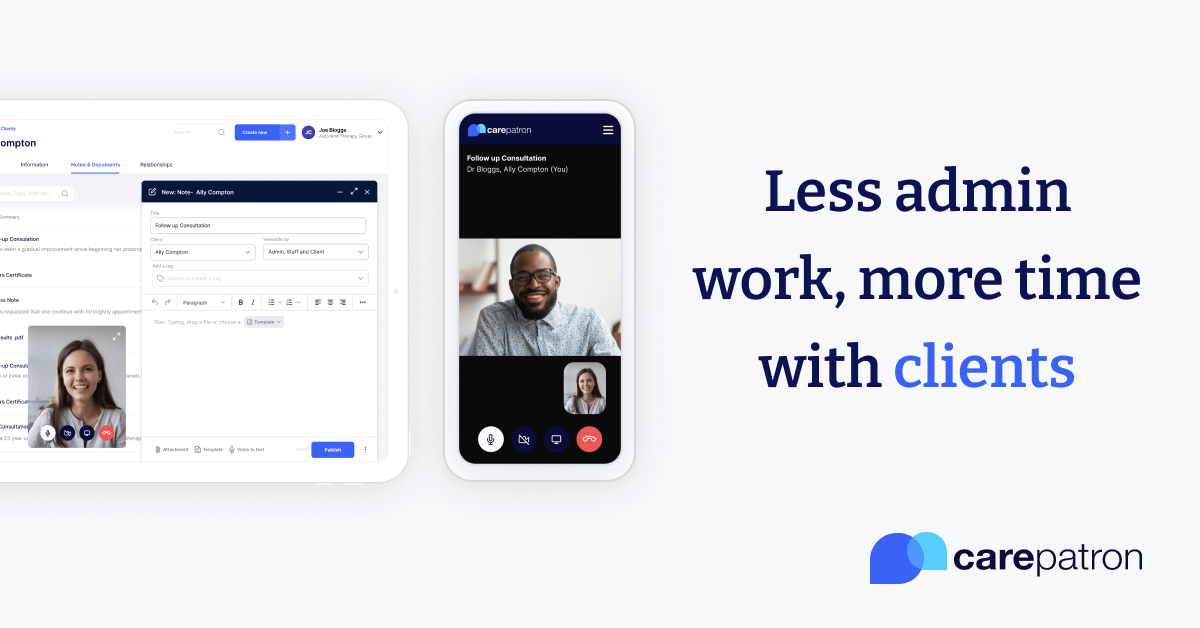
We completely understand if you’re feeling slightly overwhelmed about the range of different skills that a receptionist is required to have. Fortunately, there are a few available tools that can assist with your responsibilities, including practice management systems. Carepatron’s software is a sophisticated platform that has been designed to not only streamline various administrative tasks but also improve patient communication. The platform produces a unified workflow, meaning all staff (both administrative and clinical) can access the same synchronized calendar and be informed about when their upcoming appointments and meetings are. Additionally, Carepatron is integrated with a patient portal that grants clients access to their medical records and payment and appointment information. In addition to ensuring that patients are kept informed at all times, the portal allows them to make bookings and payments online, relieving you of two time-consuming tasks. Obviously, there is no one right way to successfully work as a receptionist but we truly believe that utilizing these types of systems will ease your workload without compromising on quality. Hopefully, this guide has outlined some of the key skills that are required for receptionists to succeed at their jobs, and you feel better equipped to approach your responsibilities with a positive and professional mindset.
Further Reading:

.jpg)
