


What is data encryption and how does it work for healthcare?
Data encryption is one of the best ways to protect your patient data when it comes to healthcare, and despite how it sounds, it isn’t all that complicated. With the right resources, you can easily work to maintain and sustain data confidentiality, regardless of whether tech is something that excites or frights you.
It works by encoding data so only authorized personnel can access it, and acts as an additional boundary from potential cyber-criminals. It’s a highly advanced security system that translates information into a code or alternative form, so even the most knowledgeable hackers can’t access it. If they were to manage to download the information, data encryption requires a secret key to be able to decipher and understand the data, which they wouldn’t possess. This means that you can be assured that all your sensitive business and patient data is highly protected. In an increasingly technological climate, where cybersecurity attacks have increased by 320 percent, it’s important now more than ever to incorporate secure practices.
Naturally, storing information online can pose malware and hacking risks. Implementing an encrypted software program can protect you from these threats - and Electronic Health Records (EHRs) are the best way to do so. EHRs manage your client data in a way that is accessible to authorized healthcare professionals, regardless of where they are in the world. You can boost the quality of care and service in your practice, whilst having confidence in knowing your information is safe. Encryption in healthcare is the way of the future, and having this knowledge will greatly drive the success of your clinic.
Understanding healthcare encryption standards
It can be difficult to manage good safekeeping of data, especially when you must provide quality care in addition to meeting strict privacy standards and requirements set before you. It’s a delicate balancing act, but it’s what must be done to ensure that patient data isn’t vulnerable or susceptible to being jeopardized in any shape or form.
The Health Insurance Portability and Accessibility Act (HIPAA) is the main set of regulations and policies concerning patient data that you must adhere to in your practice. It outlines that patient data needs to be protected and that nothing can be disclosed without the patient’s knowledge or consent. If a safeguard can be implemented, it must be implemented.
There isn’t a specific technology that you need to use, which is great, considering you can select what best fits your practice. In saying this, it is recommended that you do factor in the Advanced Encryption standard, which secures data through a symmetric encryption algorithm. We’re aware this can get a bit complex if you have no background in data, and to help you, there are many platforms out there that provide you with the means for high medical compliance and security.
How does encryption work in securing patient data?
Encryption in healthcare follows some specific processes within the health context to ensure that patient data is kept safe. For the highest efficiency, health clinics need to employ a variety of security measures and solutions within the encryption process:
- Multi-stage encryption - Data at every step in the medical record process should be encrypted. Anything and everything that is relevant to your healthcare practice and that are stored online must be encrypted to ensure there are no holes for potential data leaks. Whether you use the data often, or if it’s simply stored on a hard drive, it needs to be encrypted at all stages including before and after it’s moved.
- Staff training - Encryption is just the first step, and to ensure that all processes run smoothly, you need to educate and train your staff on how to use the encryption software. It’s okay - this isn’t as difficult as it sounds. Many EHR systems operate as software as a service one (SaaS), meaning that you don’t have to do all the work. But, your staff should still understand the concept of data security and ways to keep it in check.
- Risk assessments - Risk assessments should be conducted regularly to identify any weaknesses in your security system and identify where hackers could gain access. If the system is faulty, or there are any lapses in data protection, they must get sorted ASAP. Doing regular assessments is a great way to ensure you are on top of your data.
- Restricted access - Because everyone in your organization has different roles, not everyone needs access to the same information. To avoid data being compromised, it’s best to only grant certain information to those who need to view and assess it. Only having a few people able to access data will significantly reduce the chances of data being leaked or mismanaged.
Healthcare cyber security tips to help protect patient information
To increase security and secure your EHRs with good protection within your private practice, here are some simple tips and tricks you can follow:
- Use up-to-date software - Although it feels like a no-brainer, having the most up-to-date system provides better security against any developments in hacking technology. This can be made super easy if you turn on automatic device updates, but regardless, this should be at the top of your priority list.
- Anti-virus and malware tools - Anti-virus software is an excellent way to block malicious viruses from jeopardizing your data, as well as the installation of other firewall tools. This can help screen out any suspicious activity in addition to viruses, and just add an overall layer of protection for all of your online activity.
- Strong passwords - It may sound simple, but having good passwords makes hacking much harder. Using a crazy mix of upper and lower case letters, in addition to symbols and numbers is perfect, and avoiding using the same password more than once is especially beneficial. Password management tools can also help you with this process!
- Multi-factor authentication - Rather than just entering a username and password, two-step or multi-factor authentication means you will be prompted to enter a personal identification code such as another code, or biometrics. You could use a fingerprint or face ID to confirm your identity, which makes these systems highly secure.
- Educate - By having staff (and yourself!) educated on what viruses and scams look like can greatly help you identify suspicious activity, as well as notify others of any phishing attacks. Things like not opening emails from randoms and looking at links are great.
- Regularly backup - Make sure your data is copied - and most companies like to follow the 3-2-1 backup rule. This is where you keep three copies of data on two different media types, and one in an off-site location. If your data were to be compromised, this is a great way to restore it.
Take home message
Encryption is the best way to ensure your patient data is kept safe and secure from potential data leakages, hacks, and phishing attacks. You can rest easy knowing that you have the right security protocol in place and that you have implemented security processes for strong risk assessments that are also HIPAA compliant!
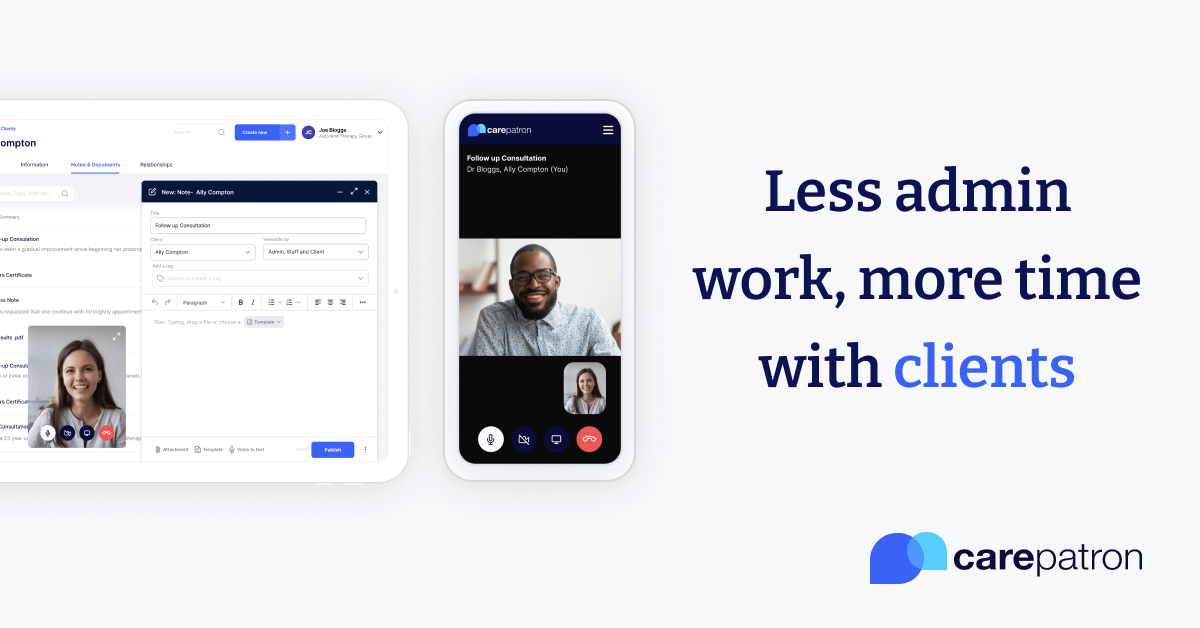
A lot of businesses struggle with the technology side of things, which is why Carepatron provides support for healthcare practices to implement top security measures. With bank-level encryption, and data protection at every step of EHRs, you can ensure you’re safe, whilst also experiencing the range of workflow features Carepatron offers.
Further reading:


.jpg)